
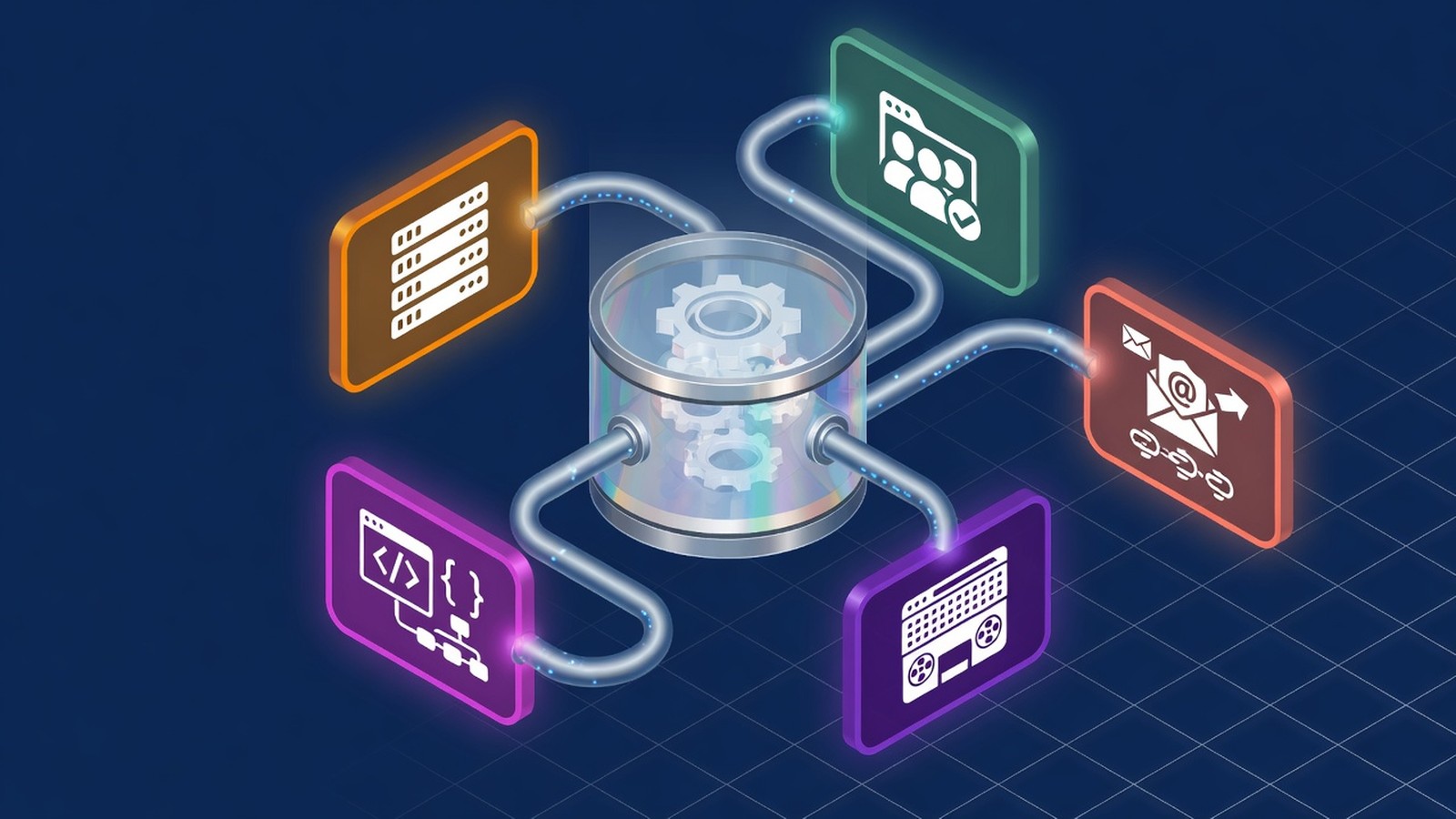
In today's interconnected digital landscape, managing user identities across multiple systems can feel like herding cats, error-prone, time-consuming, and ripe for security vulnerabilities. Enter Identity Manager Connectors: powerful tools that bridge the gap between your central identity management system and various platforms, automating everything from user provisioning to access revocation. Developed in partnership with NetIQ (a division of OpenText), these connectors from Omnibond ensure seamless integration, bolstering security while slashing administrative overhead. Whether you're dealing with cloud services, mainframes, or legacy systems, understanding how these connectors function is key to modern enterprise efficiency.
In this article, we'll break down what Identity Manager Connectors are, how they operate, the different types available, and their standout features and benefits. By the end, you'll see why they're indispensable for organizations aiming to fortify their identity ecosystems.
What Are Identity Manager Connectors?
At their core, Identity Manager Connectors are specialized interfaces or drivers that link an Identity Manager system, such as NetIQ's solution, to a wide array of target systems, including identity stores, applications, and operating environments. Think of them as universal adapters: they translate commands from your central identity hub into actions that diverse systems can understand, enabling automated management of user accounts, entitlements, and permissions.
These connectors support the full identity lifecycle. This means they handle everything from creating new user accounts and assigning roles to monitoring changes and deprovisioning access when an employee leaves. By automating these processes, connectors minimize human error, which is a common entry point for breaches. For instance, instead of manually updating user details across dozens of systems, the connector pushes changes bidirectionally, ensuring consistency and compliance.
Why do they matter? In a world where identity-related attacks cost businesses millions (with average breach costs hovering around $4.45 million according to recent reports), connectors act as a safeguard. They enforce policies centrally, reducing vulnerabilities like orphaned accounts or over-privileged users. Plus, they cut costs by streamlining administration, allowing IT teams to focus on strategic tasks rather than routine updates.
How Do Identity Manager Connectors Work?
Identity Manager Connectors operate as intermediaries, facilitating communication between the Identity Manager engine and target systems. Here's a step-by-step breakdown of their mechanics:
- Detection of Changes: The process starts when the Identity Manager detects a change, such as a new hire in your HR system or a role update in Active Directory. This triggers an event in the identity vault.
- Data Translation and Syncing: The connector interprets this event using predefined rules or scripts. It translates the data into the format required by the target system, whether it's a Linux server, IBM mainframe, or cloud app. Bidirectional syncing ensures updates flow both ways: changes in the target system (e.g., a password reset) can feed back to the central manager.
- Automation and Execution: Using drivers or scripts, the connector automates actions like provisioning accounts, assigning group memberships, or configuring attributes. For example, in fan-out administration, a single policy update can propagate across multiple instances of a system, like distributing user settings to various Linux servers without individual configurations.
- Monitoring and Reporting: Post-execution, connectors often include logging and auditing features to track compliance and troubleshoot issues.
A helpful analogy: Imagine connectors as smart bridges in a city. Traffic (user data) flows efficiently in both directions, with automated tolls (security checks) ensuring only authorized vehicles pass. Technically, many rely on scripting languages like Python or PowerShell for customization, allowing integration with non-standard systems. This flexibility makes them adaptable to hybrid environments, where on-prem and cloud systems coexist.
Types of Connectors and Examples
Identity Manager Connectors come in various flavors, from native drivers for specific OSes to scripting-based ones for custom needs. Below is a table summarizing key types, their descriptions, and use cases, drawn from Omnibond's offerings.
| Type | Description | Supported Systems/Examples | Key Capabilities/Use Cases |
|---|---|---|---|
| Scripting Driver | Flexible driver that connects via scripting environments for custom integrations. | Python, Bourne Shell, Perl (Linux/UNIX); VBScript, PowerShell (Windows). Add-ons for Microsoft Exchange, Google Workspace, etc. | Custom scripting for apps like Exchange or Google Workspace; open-source plug-ins for tailored solutions. |
| Linux & UNIX Driver | Integrates provisioning and authentication with Linux/UNIX systems. | IBM AIX, Solaris x86, SUSE, RedHat, Ubuntu, Debian, Linux on zSystems. | Bidirectional provisioning and fan-out administration; ideal for enterprise UNIX environments. |
| IBM Mainframe Driver | Links to mainframe security in z/OS. | IBM RACF, CA Top Secret, CA ACF/2. | Provisioning for legacy mainframes; secures high-stakes data centers. |
| IBM Midrange Driver | Connects to IBM Power Systems for provisioning. | iSeries, i5OS, OS/400. | Manages midrange IBM ecosystems; automates user access in business-critical apps. |
| Linux & UNIX User Settings Driver | Automates configuration of user attributes in Linux/UNIX. | Linux and UNIX environments. | Central automation bypassing manual tools like iManager; handles LUM and Samba functions. |
| Blackboard Connector | Integrates with Blackboard's learning management system. | Blackboard platform. | Provisions accounts for educational institutions; streamlines student/teacher access. |
| Other Scripting Add-ons | Extensions for specific apps, often open-source via GitHub. | Windows Domain/Local Accounts, Internet2 TIER Grouper, SASL DB, etc. | Specialized integrations like Grouper for group management or SASL for authentication protocols. |
These connectors, especially the scripting ones, offer extensibility, for custom needs, Omnibond provides quotes, potentially sharing costs for popular open-source apps.
Key Features and Benefits
What sets these connectors apart? Here are the highlights:
- Automation and Efficiency: Centralized control reduces manual work, with features like fan-out ensuring uniform policies across systems.
- Enhanced Security: Bidirectional syncing and automated deprovisioning close gaps that hackers exploit.
- Flexibility: Scripting support allows integration with virtually any system, from cloud giants like Google Workspace to niche tools like Blackboard.
- Cost Savings: By minimizing errors and admin time, organizations see ROI through lower breach risks and operational streamlining.
Consider a university scenario: Using the Blackboard Connector, new students get instant access to courses upon enrollment, while departing ones lose it automatically, saving IT hours and preventing unauthorized access.
Conclusion
Identity Manager Connectors are the unsung heroes of secure, efficient identity management, automating complex integrations to keep your systems in sync and protected. From bidirectional provisioning in Linux environments to custom scripting for modern apps, they adapt to your needs, guarding against vulnerabilities while boosting productivity.
As trends like zero-trust security and AI-driven automation evolve, these tools will only grow in importance. Ready to implement? Explore Omnibond's solutions or contact their team for a demo to see how connectors can transform your identity strategy.